

This is a guest post by Crowstep Digital, a web design and local SEO agency based near Stirling that works with trade businesses across Central Scotland.
Ask three joiners to price “new doors for the house” and you may well get three quite different figures back. That is not usually because one of them is overcharging. More often, each of them has pictured a different job. One has assumed new frames, another has assumed the old frames stay, and the third has allowed for the fact that nothing in an older house is ever quite square. The clearer your first message is, the closer every quote will be to the work you actually want, and the fewer surprises there will be once the job starts.
As a Stirling web design and local SEO agency, we build websites and enquiry forms for joiners and other trades, so we spend a lot of time thinking about what makes an enquiry easy to answer. This guide is the homeowner’s side of that. It covers what to include when you contact a joiner in Bridge of Allan, Dunblane or Stirling, and why each detail matters to the person pricing the work.
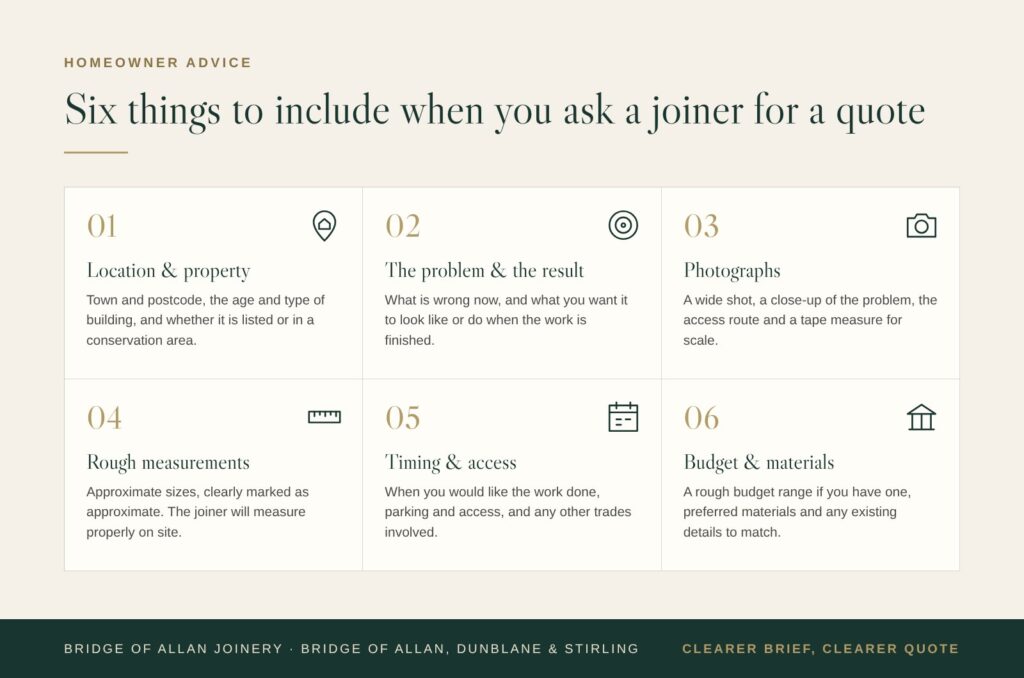
1. Say where the property is, and what kind of building it is
Start with the town and postcode. It tells the joiner whether the job is within their usual area and helps them plan travel, parking and the delivery of materials.
Then describe the property in a sentence: a Victorian terrace, a 1960s bungalow, a new-build semi, a flat on the second floor. Bridge of Allan grew as a spa town in the nineteenth century, and many of its houses date from that time. Older buildings bring their own considerations. Walls are rarely straight, floors can slope, and the sizes of original doors, skirtings and mouldings often do not match what is sold today. A joiner who knows they are walking into a period property can allow for that in the price rather than discovering it on the day.
If you know the building is listed, or that it sits in a conservation area, say so. In Scotland, altering a listed building usually needs listed building consent from the planning authority, which here is Stirling Council, and parts of Bridge of Allan are covered by a conservation area. If you are not sure, it is worth checking with the council before the work is specified, especially for windows, doors and anything visible from the street.
2. Describe the problem and the result you want
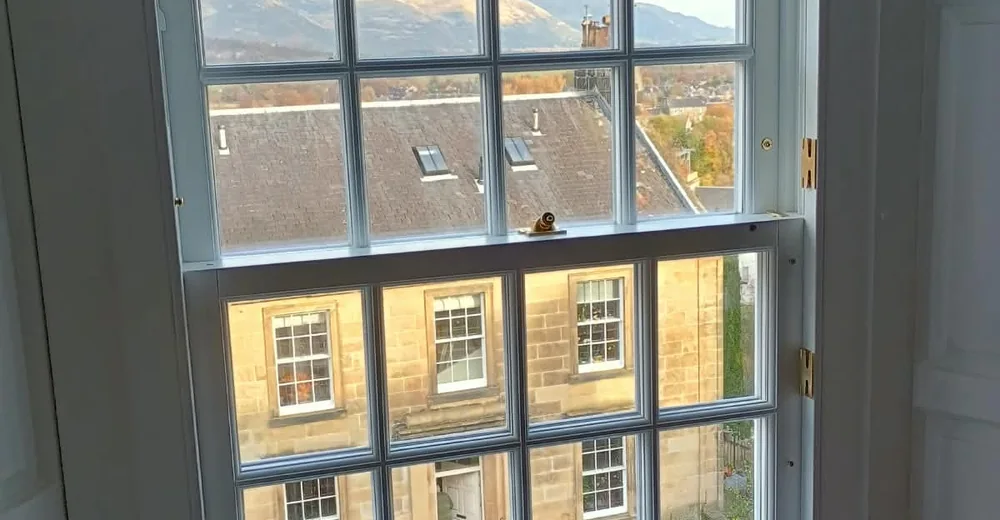
“Replace the back door” is a job. “The back door sticks every winter and lets in a draught, and I would like it to close properly” is a problem, and it gives the joiner room to suggest the right answer. Sometimes that is a new door. Sometimes it is adjusting the hinges, easing the door and replacing the seals. The same applies to sash and case windows: a rattling sash, a broken cord and soft timber at the sill are different repairs, and many traditional windows can be repaired rather than replaced.
A few examples of the detail that helps:
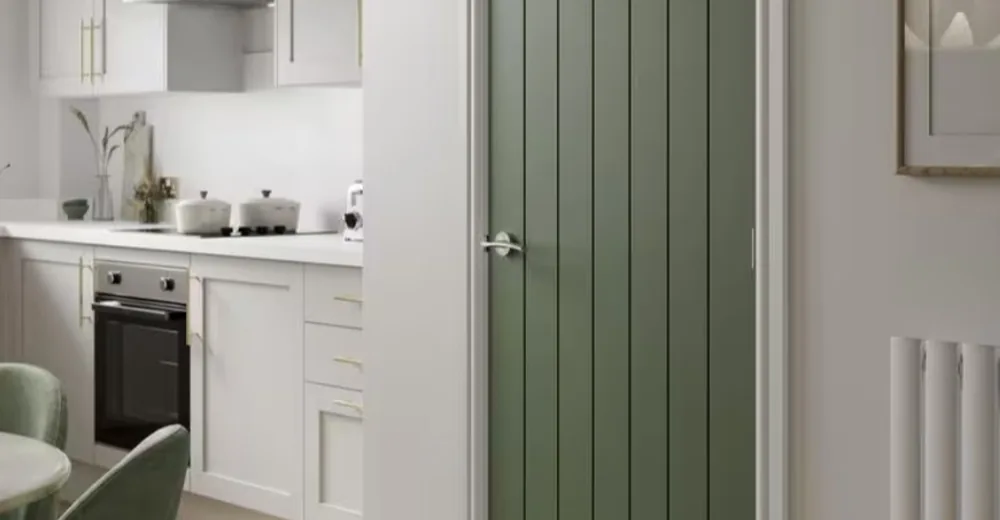
- Internal doors: how many, whether the existing frames and facings are staying, and whether the new doors will be painted or left as natural timber.
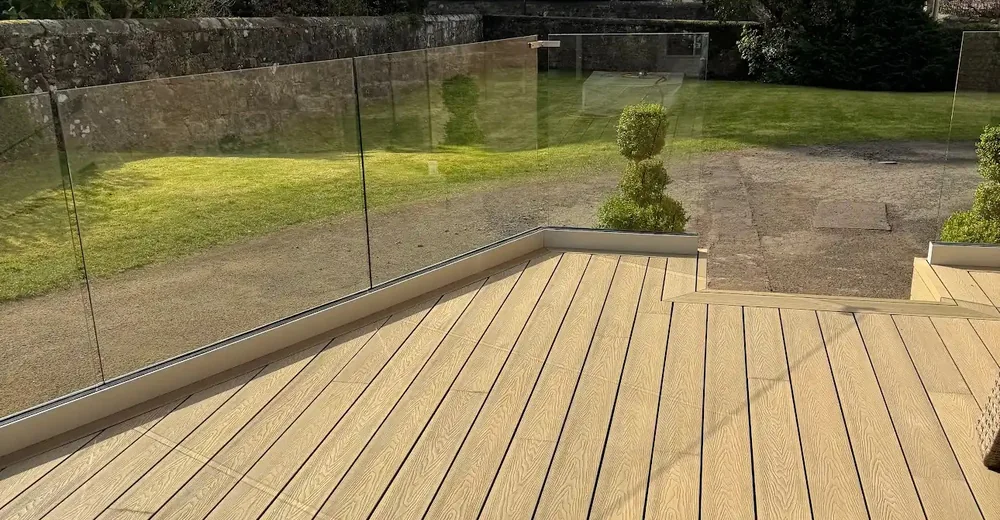
- Decking: roughly how big, what is there now, whether the ground slopes, and how you plan to use the space.
- Flooring: which rooms, what is on the floor at the moment, and whether the skirtings are staying.
- Windows: how many, which rooms, and what each one is doing wrong.
3. Send photographs that show the whole picture
Good photographs can save a wasted visit, and they help a joiner come to the visit prepared. Take them in daylight if you can, without filters, and include:
- A wide shot that shows the door, window, floor or garden in its setting.
- A close-up of the problem, such as the rotten corner of a sill, a split panel or a gap under a skirting.
- The route in, such as a narrow close, a steep stair or a side gate, because access affects how materials arrive and how long the work takes.
- Something for scale, such as a tape measure held against the item.
A short video can help too, for example a sash that will not stay up or a floor that moves underfoot.
4. Add rough measurements, and say they are rough
You do not need to measure like a joiner. Approximate sizes are enough for a first conversation: the length and width of a deck, the size of each room for flooring, or the height and width of a door opening. Write “approximately” next to them. Do not order materials based on your own measurements. A joiner will check everything on site before anything is made or bought.
5. Mention timing, access and other trades
Let the joiner know when you would like the work done and whether anything is fixed, such as a kitchen delivery or a date when the house needs to be finished. Mention practical points too: where a van can park, whether the house will be lived in during the work, and whether there are pets.
If other trades are involved, say who and in what order. Flooring, skirtings, plastering, electrics and kitchen fitting all depend on each other, and the order matters. A joiner who knows the whole plan can tell you where their work fits.
6. Be open about budget and materials
You do not have to share a budget, but a rough range helps the joiner suggest sensible options, such as engineered or solid hardwood flooring, or timber or composite decking. If you have preferences, mention them. If you need new work to match something existing, such as an original skirting profile or a panelled door, say so early, because matching old details can take extra time to source or make.
What a good reply looks like
A careful joiner will often ask questions back, or ask to visit before giving a firm price. That is a good sign. It means they want to price the job you need, not a guess. When the quotation arrives, check that it sets out what is included, which materials will be used and what is not included, such as decorating, removing waste or making good plaster. If you are comparing more than one quote, make sure they describe the same job.
A simple enquiry you can copy
If you are not sure where to start, a short message along these lines covers most of what a joiner needs:
- Where: town and postcode.
- Property: age and type, and whether it is listed or in a conservation area.
- The job: what needs doing and what is wrong at the moment.
- The result: what you would like it to look like or do when it is finished.
- Photographs: a wide shot, a close-up and the access.
- Rough sizes: approximate measurements.
- Timing and access: when, parking, and any other trades involved.
Ready to talk about your project?
Bridge of Allan Joinery works on homes and businesses in Bridge of Allan, Dunblane, Stirling and across Central Scotland, from internal doors and wooden flooring to timber decking and traditional sash and case windows. Use the details above to tell us about your project, including the property location, the work required and photographs where helpful, or arrange a visit.